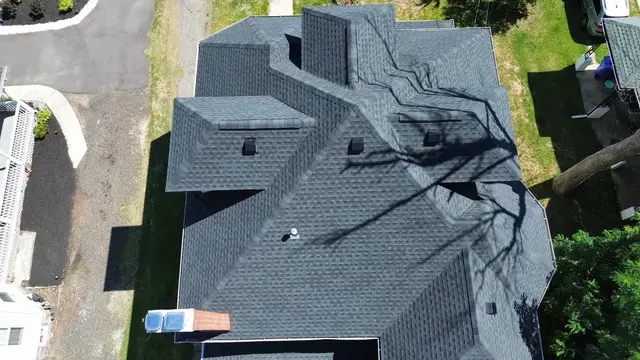
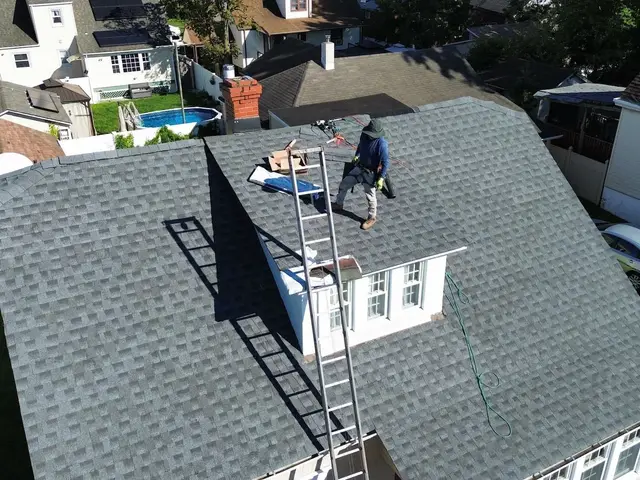
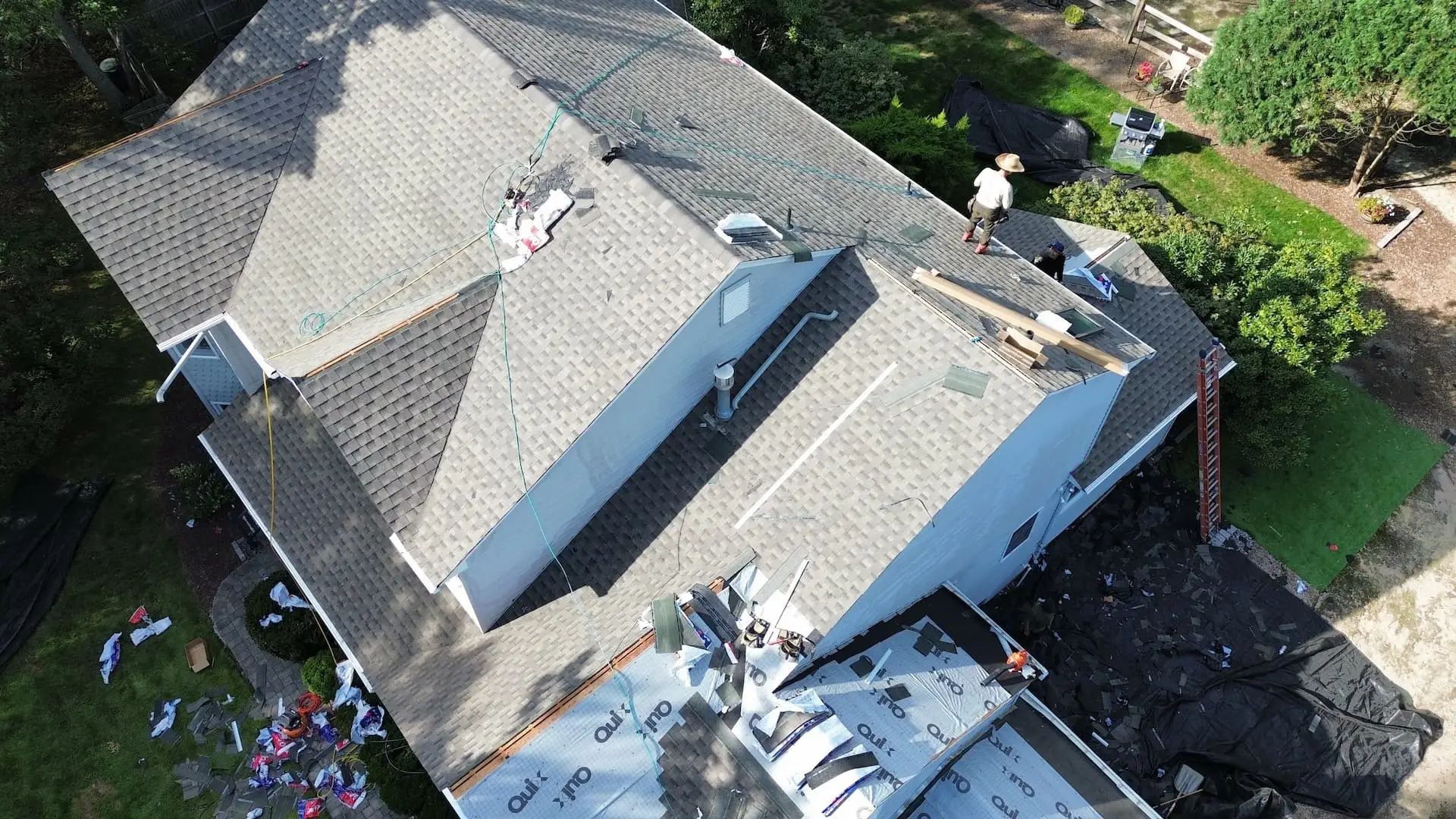
Most Hudson County roofs do not sit on a house standing by itself. About 9 percent of homes here are detached single-family houses, against 52 percent across the state. The rest are two-family houses, attached houses, three- and four-family buildings and apartment buildings, and many of them stand wall to wall with the one next door.
That changes the paperwork. New Jersey lets a new roof go on a detached one- or two-family house with no permit. An attached house, a rowhouse or a building with three or more units goes through the town's construction office, and in Hudson County that is most roofs. We check with your town before we start, and any permit goes on the estimate.
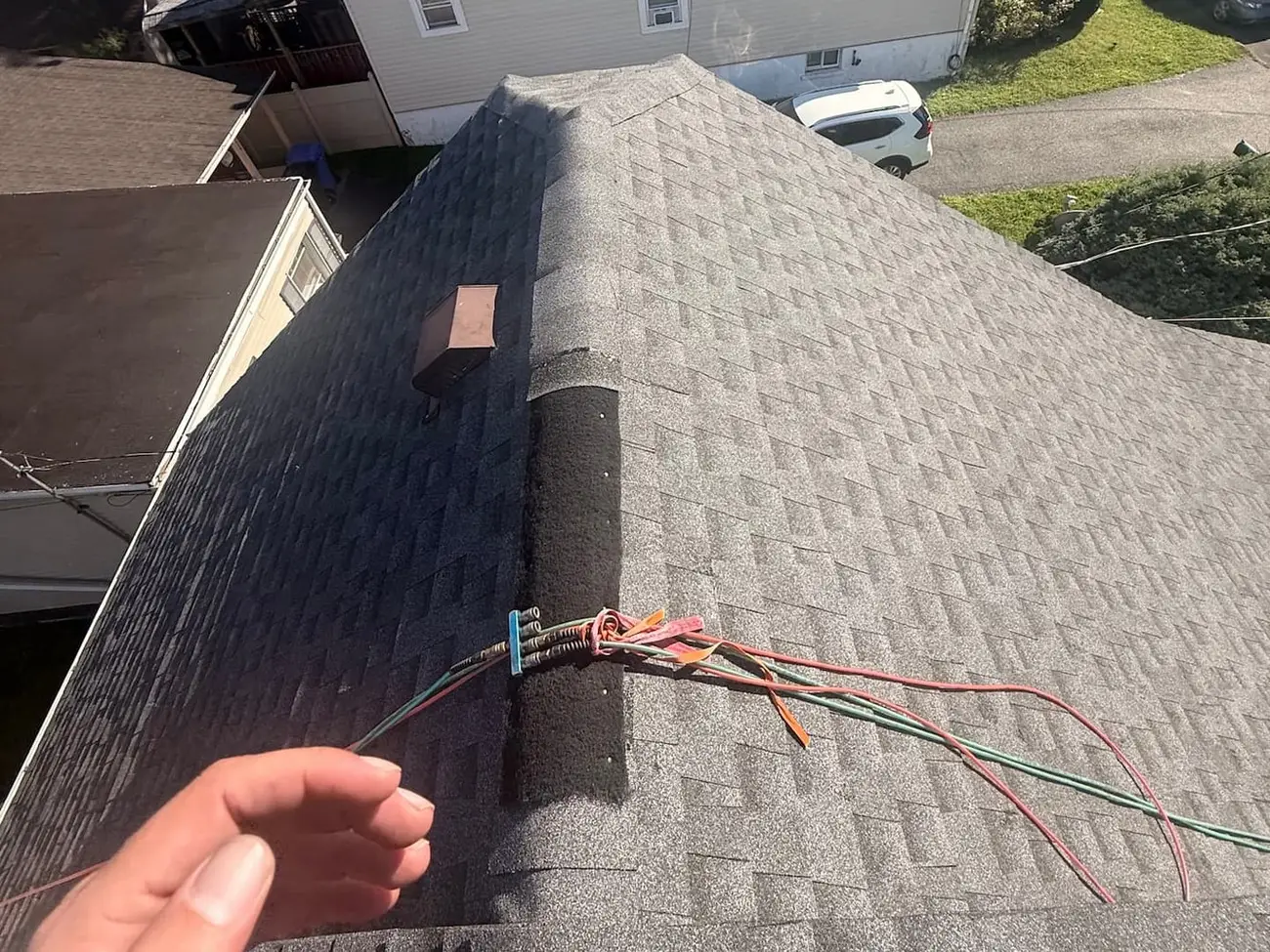
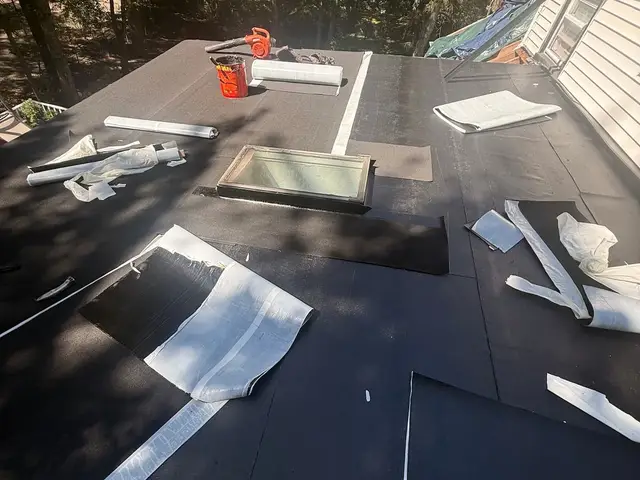
Where your roof meets the next one, the seam has to shed water instead of letting it run down between the two buildings. Many of these roofs are flat or low slope. The State Climatologist's Central Zone starts here, along the harbor and the Lower Hudson, and winter storms often switch between rain and snow. Water still sitting on a flat roof at sundown can be ice by morning.
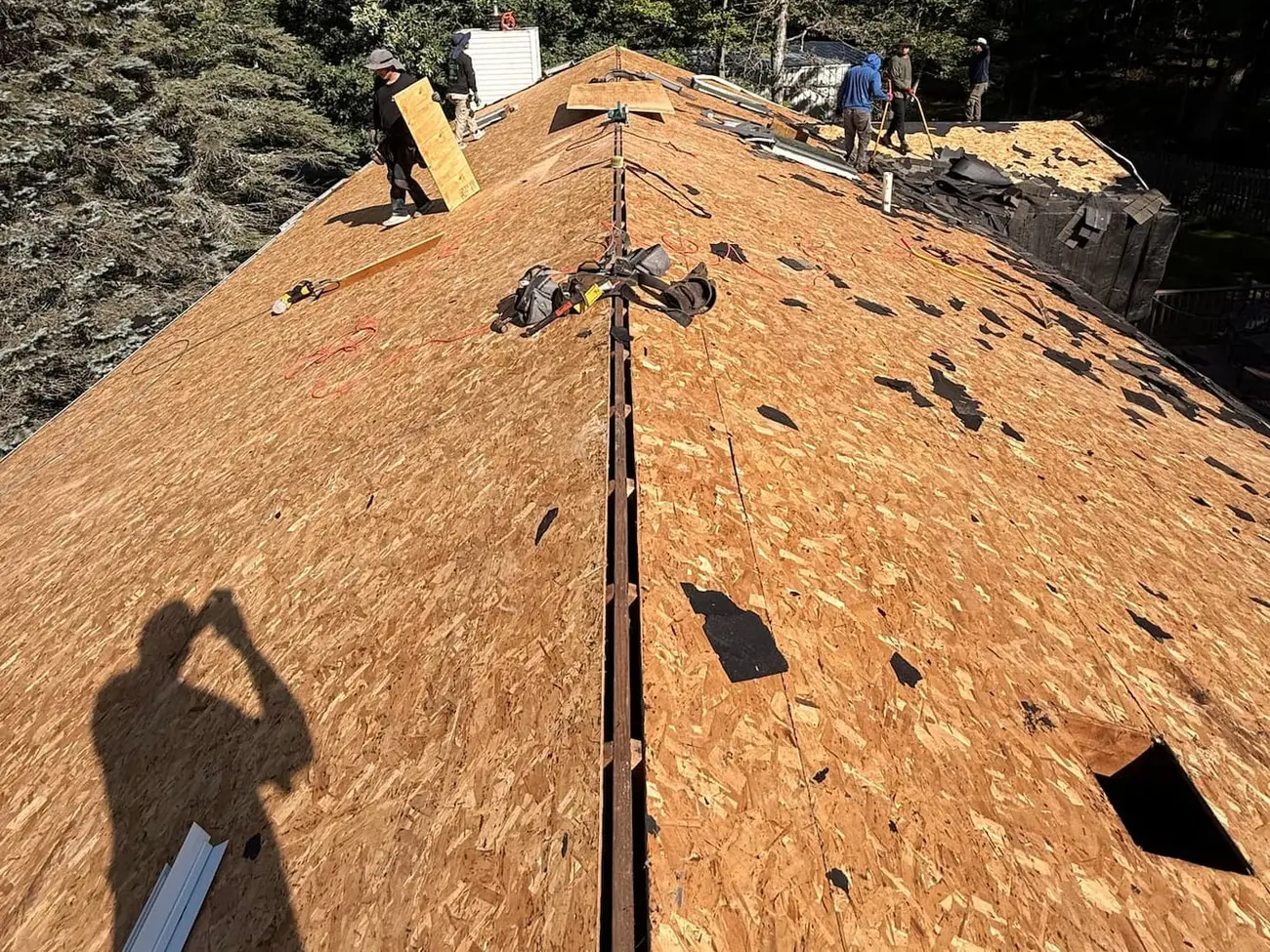
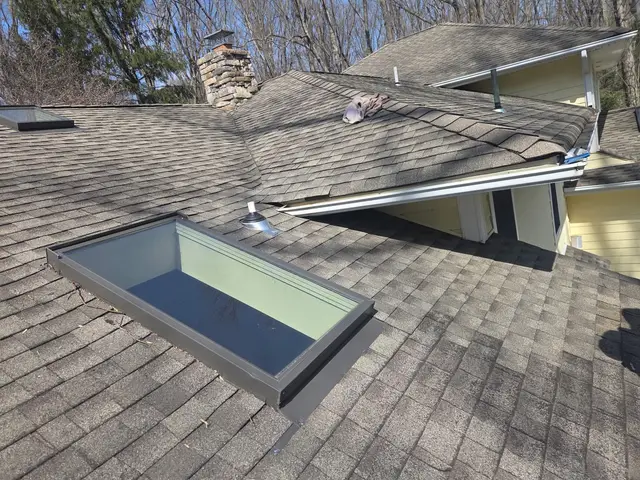
So we price a Hudson County roof from on top of it, not from across the street. We get up there when it is safe to, check the seam with the next building, and count the layers.